
How to Restore Your Home After Water Damage
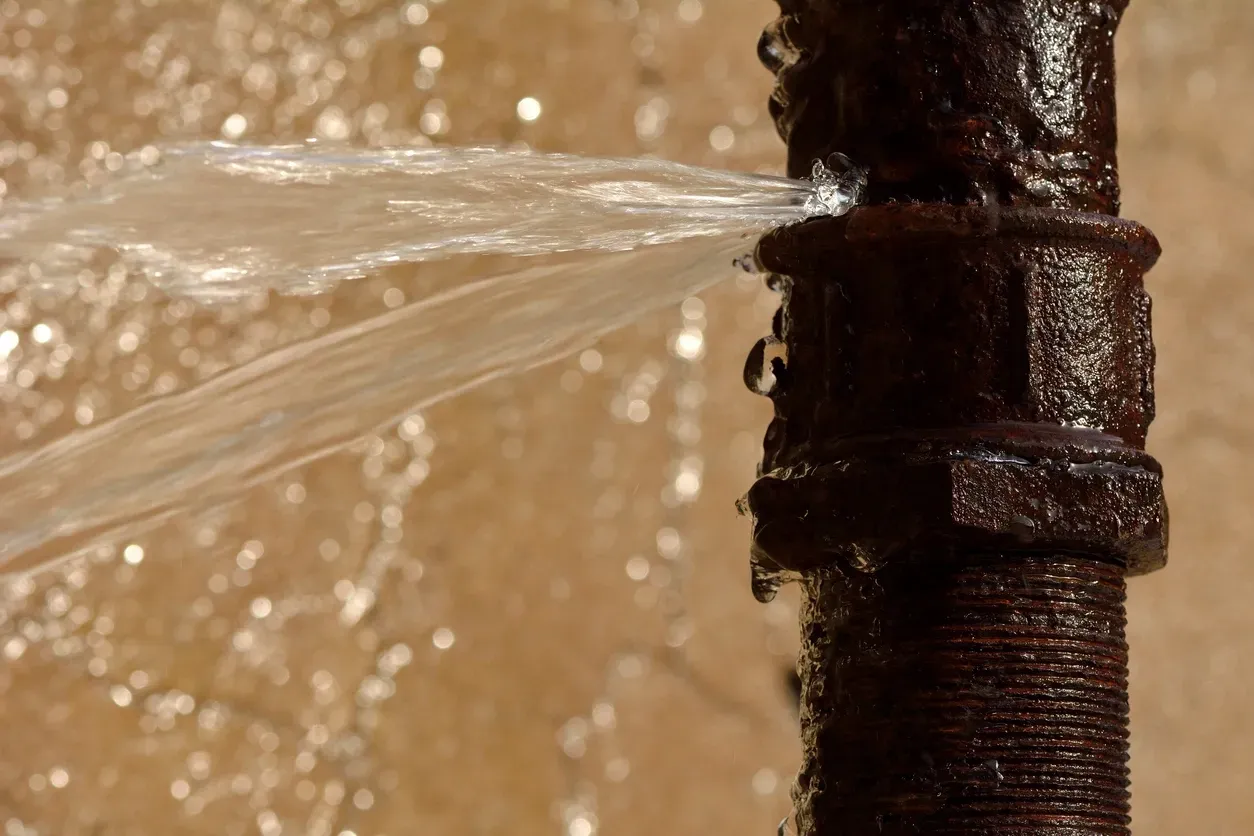
Sudden Burst in Plumbing
Understanding Water Damage Restoration
Water damage can be a homeowner’s nightmare, causing structural issues, mold growth, and emotional stress. Whether it’s the result of a burst pipe, heavy rainfall, or a faulty appliance, restoring your home after water damage is essential to ensure safety and comfort. This guide will walk you through the steps to effectively restore your home, focusing on best practices and professional tips.
What Are the Immediate Steps You Should Take?
When water damage occurs, acting quickly is crucial. Here are the immediate steps to follow:
- Ensure Safety First: Turn off electricity and gas in the affected area to prevent accidents.
- Stop the Water Source: Identify and stop the water source if possible.
- Document the Damage: Take pictures and videos of the affected areas for insurance purposes.
- Remove Excess Water: Use buckets, mops, or a wet vacuum to remove standing water.
- Ventilate the Space: Open windows and doors to improve air circulation and reduce humidity.
Why Is Professional Help Important for Water Damage Restoration?
While DIY methods can address minor issues, professional restoration services are often necessary for comprehensive recovery. Professionals provide:
- Advanced Equipment: High-power fans, dehumidifiers, and moisture meters for effective drying.
- Expertise: Knowledge in identifying hidden damage and mold-prone areas.
- Efficiency: Faster restoration timelines and thorough results.
How Do You Prevent Mold Growth After Water Damage?
Mold thrives in moist environments, making it a common issue following water damage. To prevent mold:
- Dry the Area Completely: Ensure all affected items and surfaces are thoroughly dried.
- Sanitize Surfaces: Use appropriate cleaning solutions to kill mold spores.
- Monitor Humidity Levels: Keep indoor humidity below 50% using dehumidifiers.
What Are the Steps in the Water Damage Restoration Process?
- Inspection and Assessment: Professionals evaluate the extent of the damage using advanced tools.
- Open a claim with your insurance if desired. Let professionals assist you in the process since they know what to say,
- Water Removal: High-powered pumps and vacuums extract standing water.
- Packout belongings if needed. A professional will advise you.
- Cleaning and Sanitizing: Surfaces are cleaned, and odors are removed to ensure safety.
- Drying and Dehumidification: Specialized equipment dries the area and reduces moisture.
- Restoration and Repairs: Structural repairs and replacements bring your home back to its pre-damage state.
What Should You Know About Insurance Claims for Water Damage?
Navigating insurance claims can be overwhelming. Here are some tips:
- Review Your Policy: Understand what types of water damage are covered. (Typically coverage will fall under Dwelling A)
- Insurance companies only cover one time sudden events and if your policy provides for mold only as a secondary damage.
- Document Everything: Maintain a detailed record of damages, repairs, and expenses.
- Work with Professionals: Restoration companies often assist with insurance claims and documentation.
How Can You Prepare for Future Water Damage?
Prevention is key to minimizing the impact of water damage. Take these steps:
- Regular Maintenance: Inspect plumbing, roofing, and appliances for potential issues.
- Install Water Alarms: Detect leaks early with water alarm systems.
- Seal Vulnerable Areas: Use waterproof sealants on basements and windows.
Frequently Asked Questions (FAQs)
1. How long does water damage restoration take?
Restoration timelines vary depending on the extent of the damage. Minor issues may take a few days, while severe damage could require longer. Typically 5-7 days.
2. Can I stay in my home during the restoration process?
It depends on the severity of the damage and the restoration activities. Professionals will advise you on safety. Usually as long as you have a full bathroom (and not too many occupants if you are down to one bathroom) most insurance companies will deem your house livable. If your kitchen is unusable your ALE (additional living expenses) potion of your policy will pay for 3 meals out per family member.
If temporary accommodations are needed your Loss of Use coverage will pay for a similar dwelling as your home in the same demographic area unless you ask for another area. This will only cover the insured and immediate family and will not cover roommates.
3. Is water damage always covered by insurance?
Not always. Coverage depends on the cause of the damage and your specific policy. Insurance will not cover any long term damage, continuous leakage and seepage, wear and tear items, plumbing repairs.
4. How do I know if all the water has been removed?
Professionals use moisture meters to detect hidden water in walls, floors, and ceilings.
5. What should I do if I discover mold after water damage?
Contact a professional mold remediation service immediately to address the issue.
Conclusion
Restoring your home after water damage is a challenging but manageable process. By acting quickly, seeking professional help, and following best practices, you can safeguard your home and your family’s well-being. For those in Ventura and Los Angeles Counties, local experts are available to provide comprehensive restoration services, ensuring your home returns to a safe and comfortable state.