
What Fire, Smoke, and Ash Can Really Do to Your Home
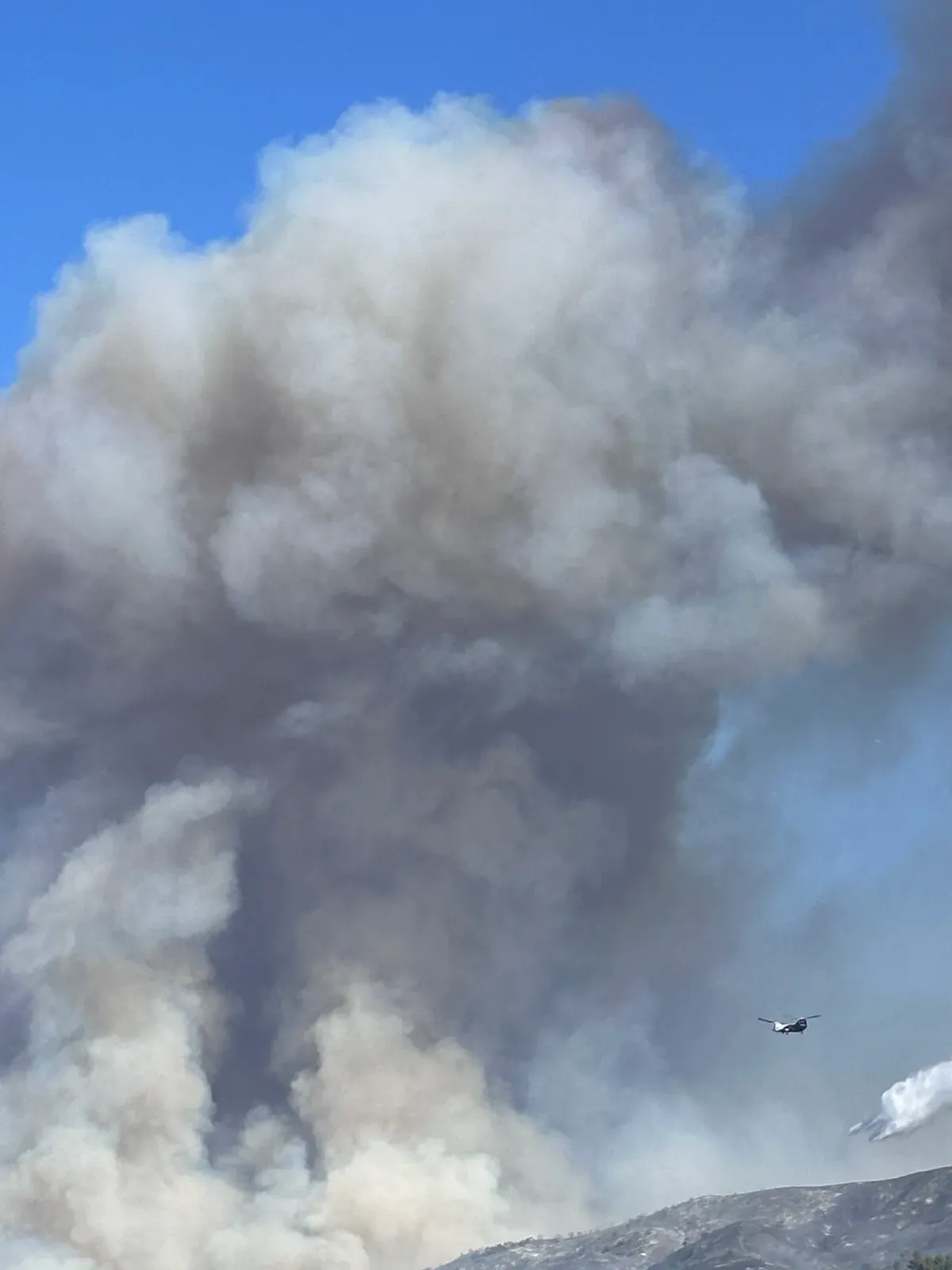
Sandy Fire
When most people think about fire damage, they picture burned structures and visible destruction. But one of the biggest misconceptions after a wildfire or nearby structure fire is believing your home is “fine” just because flames never touched it.
The reality is that smoke, soot, and ash can travel far beyond the fire itself — entering homes through vents, windows, attics, crawl spaces, and even tiny openings around doors and framing. In many cases, the hidden damage left behind can continue affecting your home and health long after the fire is gone.
How Smoke Gets Inside Your Home
Smoke particles are extremely small. During a fire event, pressure changes and airflow can pull smoke deep into a property where it settles into:
- HVAC and duct systems
- Insulation
- Drywall and paint
- Carpeting and flooring
- Furniture and mattresses
- Clothing and fabrics
- Electronics and appliances
- Attics and crawl spaces
Even homes miles away from an active fire can experience contamination from airborne smoke and ash.
The Hidden Dangers of Smoke Damage
Smoke residue is more than just an unpleasant smell. Soot and smoke particles can contain toxic compounds produced by burned plastics, building materials, vegetation, and chemicals. Depending on what burned, residue may contain irritants and contaminants that can impact indoor air quality.
Exposure may contribute to:
- Respiratory irritation
- Asthma flare-ups
- Headaches and eye irritation
- Allergic reactions
- Lingering odors that become embedded into materials
Children, elderly individuals, pets, and anyone with respiratory conditions are often the most affected.
Why Ash Is Harmful
Ash from wildfire smoke is not simply “dust.” Ash particles can be acidic and abrasive. If left untreated, they may stain or damage surfaces over time, including:
- Countertops
- Flooring
- Outdoor furniture
- Vehicles
- Roofing materials
- HVAC systems
Improper cleanup can also spread contaminants further throughout the home. Using standard household vacuums or dry sweeping often pushes fine particles back into the air instead of safely removing them.
Smoke Odors Don’t Go Away on Their Own
One of the most frustrating parts of smoke damage is the lingering odor. Smoke molecules penetrate porous materials and can remain trapped inside walls, insulation, upholstery, and ductwork.
Unfortunately, air fresheners and surface cleaning rarely solve the problem. Without proper remediation, odors often return — especially during warm weather or when HVAC systems are running.
The Importance of Proper Documentation
After a fire event, many homeowners don’t realize they should document:
- Ash accumulation
- Smoke staining
- HVAC contamination
- Odors
- Damage to contents and personal belongings
Proper documentation can be extremely important during the insurance claims process. Missing or incomplete documentation may make it harder to fully recover cleanup costs later.
Professional Fire & Smoke Cleanup Matters
Fire and smoke restoration involves much more than cleaning visible debris. Proper mitigation often includes:
- HEPA air filtration
- Smoke and soot removal
- Deep surface cleaning
- HVAC cleaning
- Odor neutralization
- Content cleaning and restoration
- Moisture monitoring from firefighting efforts
The goal is not only restoring appearance — but also helping return the home to a safe and healthy living environment.
We’re Part of This Community Too
At Action Restoration, we’ve proudly served the Simi Valley community for years. During the recent Sandy Fire, our own family was evacuated as well. We understand firsthand the stress, uncertainty, and emotional toll these events can bring.
Our priority is helping our neighbors navigate the recovery process with honesty, professionalism, and compassion — whether that means answering questions, helping document damage, working with insurance, or restoring homes impacted by smoke and ash.
If you have concerns about your property after the fire, don’t ignore the signs. Early inspection and proper cleanup can help prevent long-term damage and protect your indoor air quality.